

SEO for Law Firms
Every website includes an on-page and technical SEO foundation. When a firm needs an ongoing campaign after launch, Dan Gilroy Design coordinates with a trusted SEO specialist who works directly with the client while the studio supports website, content, and tracking changes.
Websites built with the SEO foundation in place

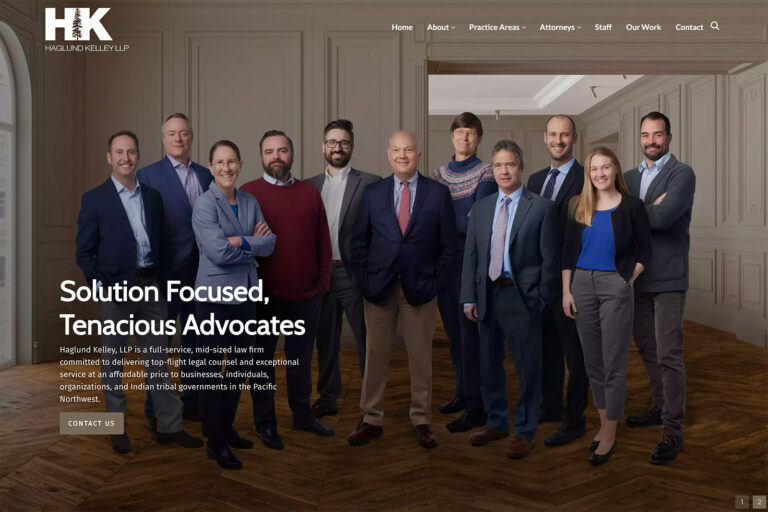

I have been working with Dan Gilroy Design since 2013. The most recent website refresh is sharp and professional. Dan Gilroy Design provides reasonable fees, great customer service, and the highest level of quality. The quality of my website helps prospective clients trust that my business will provide high-quality legal services.
Read more client reviews
On-page SEO is part of the website, not an add-on
Search considerations begin with the sitemap, not with a plugin installed after the site is finished. The studio plans page structure, URLs, headings, internal links, metadata, schema, redirects, image text, and crawlability alongside the design and content. Performance, mobile usability, accessibility, and a clean WordPress build support the same foundation.
This work is included in every custom law firm website design service project. It gives the new site a technically sound starting point and makes future search work easier to evaluate. It does not guarantee a ranking, replace a long-term campaign, or manufacture authority the firm has not earned.
What the studio handles during the website project
- Search-informed architecture. A sitemap and page hierarchy organized around the firm’s services, audiences, and markets.
- Page-level optimization. Descriptive titles, meta descriptions, one clear primary heading, useful subheadings, readable URLs, and intentional internal links.
- Technical foundations. Crawl controls, XML sitemaps, canonical settings, structured data where appropriate, image optimization, redirects, and launch checks.
- Content quality and clarity. Copy structured around real client questions and the firm’s actual experience, with clear authorship and credible supporting details.
- Measurement readiness. Analytics and form-conversion requirements identified before launch so the firm has a baseline for decisions after launch.
What happens when ongoing SEO makes sense
Some firms need a well-built site and the ability to publish good content over time. Others compete in markets where ongoing authority building, local search work, and paid acquisition are necessary. The studio makes that distinction before recommending a campaign.
When ongoing work is appropriate, Dan Gilroy Design coordinates with a trusted SEO specialist who works directly with the client. The studio remains involved whenever the campaign calls for website changes, new landing pages, content, design, or tracking support. Responsibilities stay clear, and the client has direct access to the person handling each part of the work.
Ongoing services can include link building, off-page SEO, Google Business Profile management, local visibility, competitor and keyword tracking, reporting, and pay-per-click advertising. The right mix depends on the firm’s practice areas, geography, competition, budget, and starting position.
One strategy, clear responsibilities
- Website studio: website strategy, design, content direction, on-page SEO, technical implementation, and website changes.
- Ongoing SEO specialist: campaign strategy, link building, off-page SEO, Google Business Profile management, PPC, and reporting.
- Coordinated work: content priorities, landing pages, conversion tracking, and search recommendations that affect the website.
This structure keeps the website and ongoing campaign connected without treating them as the same discipline. It also gives the firm direct access to the specialist responsible for each decision.
AI visibility starts with useful, attributable information
Search results now include AI-generated answers, and people also ask tools such as ChatGPT and Perplexity legal questions. There is no reliable switch that makes a firm appear in those answers. The durable work is familiar: publish accurate, specific information; make expertise and authorship clear; organize pages so systems can interpret them; cite primary sources where useful; and build the firm’s authority beyond its own website.
The studio addresses the website and content structure. The ongoing specialist addresses the broader authority signals a campaign needs. Neither promises citations or rankings that no provider controls.
Measure leads, not just visibility
Rankings and traffic are useful diagnostic measures, but they are not the final result. A better question is whether qualified people call, complete the form, schedule a consultation, or take the campaign’s intended action. Before ongoing work begins, the available baseline should be documented: current traffic, rankings, Google Business Profile activity, form submissions, call data, and lead quality.
Not every firm has years of clean analytics. When hard data is limited, the starting point should be stated honestly and measurement should improve from that point forward. The aim is evidence strong enough to guide the next decision, not a dashboard full of impressive-looking numbers.
How ongoing SEO support begins
The studio makes the introduction, the SEO specialist scopes the campaign, and both stay coordinated where search work touches the website.
Fit and Introduction
The studio reviews the firm’s goals and current website, then brings in a trusted SEO specialist when an ongoing campaign is a sensible next step.
Audit and Baseline
The specialist reviews the market, current visibility, competitors, Google Business Profile, tracking, and available lead data.
Campaign Scope
The responsibilities, priorities, reporting, budget, and measures of progress are defined for the firm’s actual market.
Ongoing Coordination
The specialist leads the campaign and works directly with the client. The studio supports website, content, design, and tracking changes when needed.
Need a website with the search foundation built in?
Request a Quote →Frequently asked questions
Is SEO included with a website project?
Yes. The studio handles the on-page and technical SEO that belongs in the website itself, including architecture, metadata, heading structure, internal links, schema where appropriate, sitemaps, redirects, performance, and launch checks.
Who handles ongoing SEO after launch?
Dan Gilroy Design coordinates with a trusted SEO specialist when an ongoing campaign makes sense. The specialist works directly with the client and coordinates with the studio whenever the campaign calls for website, content, design, landing-page, or tracking changes.
What ongoing services are available?
Ongoing services can include link building, off-page SEO, Google Business Profile management, local visibility, keyword and competitor tracking, reporting, and PPC. The mix is scoped for the firm rather than sold as a fixed package.
Do you guarantee rankings or AI citations?
No. Rankings and citations depend on competition, authority, platform changes, and other factors no provider controls. The team can promise clear responsibilities, sound implementation, honest measurement, and recommendations grounded in the evidence available.
How is progress measured?
The baseline can include rankings, organic traffic, Google Business Profile activity, valid form submissions, qualified calls, and lead quality. The most useful measures are agreed before the campaign so reporting can focus on business outcomes rather than vanity numbers.
How is ongoing SEO priced?
The on-page and technical foundation is included in the website scope. Ongoing SEO or PPC is scoped separately after reviewing the firm’s market, goals, competition, and starting point.
Start with a quote.
Share the essentials about your firm, where the project stands, and what the website needs to accomplish. Dan Gilroy Design will respond with a clear recommendation on scope, schedule, and likely cost.