

Small Law Firm Website Design
Custom WordPress websites for solo attorneys and firms of ten or fewer lawyers. Dan Gilroy Design builds each site around your practice, your market, and the clients you want to reach.
Recent small law firm website design work
Our portfolio includes solo practices and small firms with very different audiences. These examples show how the design can reflect a firm's work without making it look larger than it is.
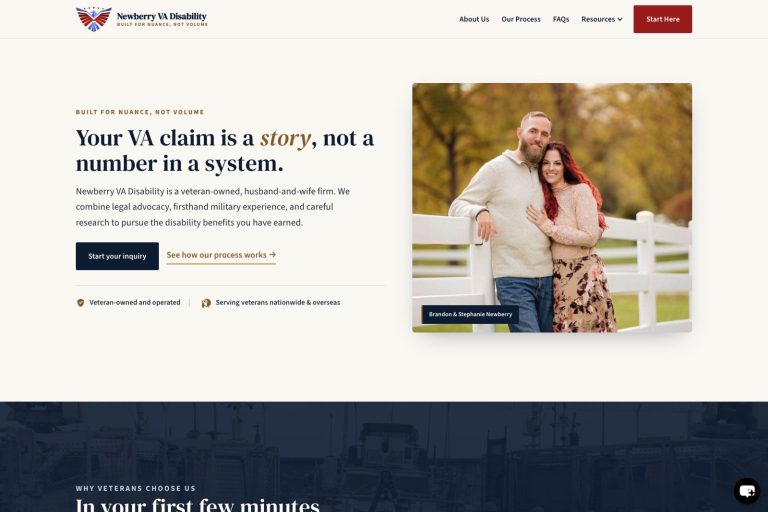
Newberry VA Disability Law

McMan & Co.

Houze Law Firm
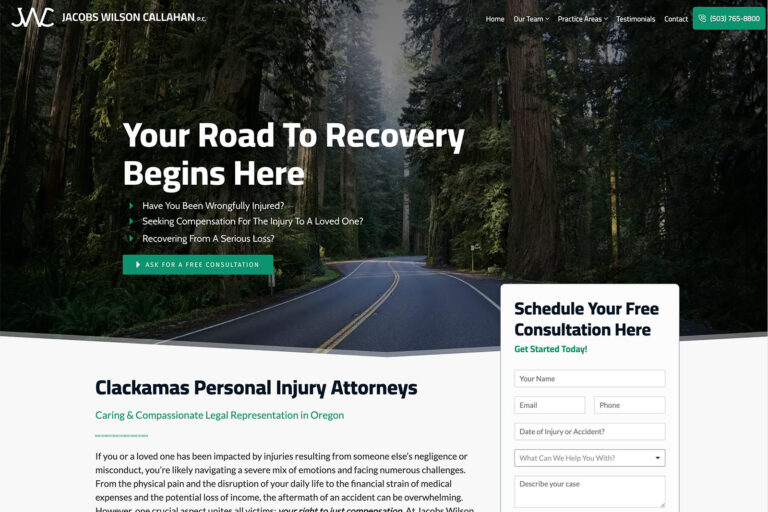
Jacobs Wilson Callahan

Miller & Wagner LLP

Ephraim Starr, PLLC
Working with Dan is easy. He answered each of my questions in a clear manner and quickly grasped my objectives and goals with my new website. I look forward to continuing to work with him and would highly recommend to anyone seeking an experienced web designer.
Read more client reviews
Law firm web design that helps clients understand your practice
People who hear about your firm through a referral may still visit your website before calling. Others arrive through search engines with a specific problem. Both need clear answers: what you do, who will handle the matter, where you work, and how to contact you.
A small law firm website should make those answers easy to find. It should also give visitors a credible sense of the people behind the practice. Thoughtful design, useful content, real photography, and clear navigation work together to support that first decision.
We have built legal websites since 2004, with more than 300 websites completed. Our work for small firms starts with the practice itself. A litigation boutique speaking to business owners needs a different approach from a divorce lawyer helping people through an unfamiliar personal situation. The website should reflect those differences in its language, structure, and visual presentation.
What pages should a small law firm website include?
Start with the pages that help someone understand your legal services and take the next step. A focused site can be more useful than a large one with repetitive content. We plan the page structure around your priorities and the questions your potential clients bring.
A home page that explains the law practice
The home page introduces your firm, its location, and its main areas of work. Visitors should be able to reach the right service, attorney biography, or contact details without hunting. Relevant client testimonials and representative matters can support the introduction where appropriate. We keep the path to an inquiry clear throughout the site.
Practice pages for the work you want
Give each distinct service enough space to explain who it helps and what the firm handles. One long list of practice areas rarely answers a visitor’s questions. Separate practice pages also give search engines clearer information about each service. The goal is useful coverage of your actual work, not pages created only to repeat keywords.
Attorney bios for partners, associates, and solo lawyers
Each attorney needs a dedicated biography with a current photograph, relevant experience, and a clear explanation of their work. Admissions, education, and professional activities provide context, but the opening should help readers understand the person they may hire. Rather than rely on a list of credentials, explain how the lawyer’s background relates to the matters they handle.
A contact page built around the client experience
Make the phone number, office details, and inquiry form easy to find and use. A visitor on a phone should not have to enlarge tiny text or navigate a complicated menu to reach you. If your firm uses a separate client portal, we can discuss how to direct existing clients to it within the agreed scope.
A blog and supporting content with a purpose
A blog is useful when the firm can maintain it with relevant answers, updates, and explanations of legal topics. It does not need to delay the core website. Reviews, representative matters, and other supporting pages should add evidence visitors can assess. We help determine which content deserves a place now and which can follow as the firm grows.
Custom website design for small law firms
Your website design should reflect the practice you have built. We design from a blank page rather than fit your identity into a predesigned theme. Typography, color, photography, page layouts, and navigation are developed together so the result feels consistent and specific to your firm.
Custom design also concerns how the site works. A solo lawyer website may need a short path from one primary service to a consultation request. A firm with several attorneys may need biographies connected to multiple practice areas. We shape the structure around those needs and leave room for future additions.
Branding and content decisions belong in that discussion. If logo design is included, the identity work comes before the website design. If writing is included, the new copy appears in the initial working site so your team can review words and design together.
Our small law firm web design process
We plan, design, and develop your website through a structured process, with opportunities for your firm to review the work before launch. The written proposal establishes the work, responsibilities, and target schedule.
Conversation and proposal
A Zoom call covers your practice, audience, existing site, priorities, and content needs. We discuss what is working, what is missing, and how the website fits your business plans. Dan Gilroy Design then prepares a written proposal with a defined scope and fee.
Questionnaire and working brief
After the agreement and first payment, a focused questionnaire helps establish the site's direction. We clarify services, biography needs, design preferences, and materials to gather. Your team knows what to provide and what Dan Gilroy Design will prepare.
Initial design and coding
The first presentation is a fully coded, password-protected website. You can review the navigation, page layouts, biographies, and content in context. This makes feedback more concrete than reviewing isolated pictures of proposed pages.
Review, refinement, and launch
Your team reviews the desktop and mobile versions and sends feedback. We complete the agreed revisions, check the site, and prepare for launch. Final approval and the remaining payment come before publication.
What goes into your small firm website
Responsive design and testing
Layouts adapt to phones, tablets, and desktop screens. We check navigation, forms, text, and images across devices so visitors can use the site comfortably.
Performance and hosting
Page speed and Core Web Vitals are tested before launch. Secure managed WordPress hosting with daily backups supports the site after publication. Hosting arrangements are addressed in the project scope.
WordPress you can edit
Straightforward editing screens let your team update biographies, practice content, and news without a page builder. The site is structured so adding attorneys or services does not require starting over.
Content preparation
Content strategy, framing, editing, migration, and utility copy are included. Original practice pages, attorney bios, and other long-form writing are separately scoped when you want Dan Gilroy Design to draft them. The proposal makes those responsibilities clear.
Website redesign planning
For an existing site, we review the URLs and plan redirects where pages move or are replaced. This helps visitors and search engines reach the right content. Redirects reduce avoidable disruption, but they cannot guarantee unchanged rankings.
SEO for law firms and your wider marketing plans
The website is part of your online presence. Its structure and content should support the way your firm attracts work, whether through referrals, organic search, or a broader digital marketing strategy.
Our builds include an on-page SEO foundation: clear page organization, titles, metadata, structured data, and attention to speed. Practice content should explain real services in language prospective clients understand. Internal links help visitors move between related pages without losing their place.
Ongoing SEO is a separate, optional engagement. Competitive search visibility requires work beyond launching a website, and priorities vary by practice and market. Learn about our lawyer SEO services and how they relate to a new build.
Comparing web design companies for law firm marketing
Review complete sites when comparing design companies, including practice pages, attorney bios, and mobile navigation. Ask who handles the work, what you can edit, who owns the finished site, and which costs continue after launch.
A design agency and a digital marketing agency may offer different scopes. Compare website development, writing, revisions, hosting, and ongoing support separately. Our law firm website design company comparison explains differences in buyer fit and services.
Small law firm website questions
Is a custom website worth it for a small law firm?
Custom design is worth considering when your website needs to distinguish a focused practice, explain several services clearly, or support a new direction for the firm. The value comes from a structure and presentation built around your clients, plus a site your team can maintain and expand. It should solve specific problems in your current web presence. The initial conversation helps establish whether that scope makes sense for your firm.
Should we use a website builder or hire a designer?
A website builder can suit a simple launch when the budget is limited and someone at the firm can handle the design, writing, setup, and upkeep. Hiring a designer makes sense when you need help with those decisions or a site that goes beyond a standard layout. We build custom WordPress websites and define Dan Gilroy Design’s responsibilities in the proposal, so you can compare the cost with the work your team would otherwise take on.
How much does a small law firm website cost?
Every project is quoted individually. Page count, content needs, design requirements, and optional services affect the fee. A focused small-firm site is scoped for its actual needs, with no packages or templated tiers. Our website pricing page explains the main cost factors. A conversation gives us the information needed for a written proposal.
How long does a small firm website take?
The target schedule is set in the proposal. It depends on the scope, writing or logo work, materials available, and the review process. Identifying one person to collect feedback and providing requested content promptly can help the project move forward.
Do you work with solo attorneys?
Yes. We build fully custom websites for solo practices, with the same attention to design, content, and usability as our larger-firm projects. We shape the site around your services and clients, with a manageable structure that can expand if you add attorneys or practice areas.
How does website maintenance work after launch?
You can edit your website in WordPress whenever you like. If you prefer to send changes to us, Dan Gilroy Design can handle routine edits for you, including updates to attorney bios, practice descriptions, and office information.
We’ll discuss the support you need and explain the costs for content updates, hosting, and technical maintenance, so you know what’s covered after launch.
Do we need ongoing legal marketing to launch?
No. A website project can stand on its own. The SEO foundation is included in the build; ongoing search work is optional and separately scoped. Start with a useful, credible website, then decide which additional marketing efforts fit your goals and resources.
Start with a quote
Tell us about your firm, your current website, and what you want to accomplish. We will recommend a scope suited to your practice and explain the next steps, target schedule, and cost.