

Content Strategy and Content Writing for Law Firms
Every website project includes a content strategy, a sitemap, and the page-level copy that frames the site. When a firm wants original practice pages, attorney bios, or other long-form writing handled too, that work is defined in the quote, drafted for review, and published only after the firm approves it.
Websites built with content planned from the start
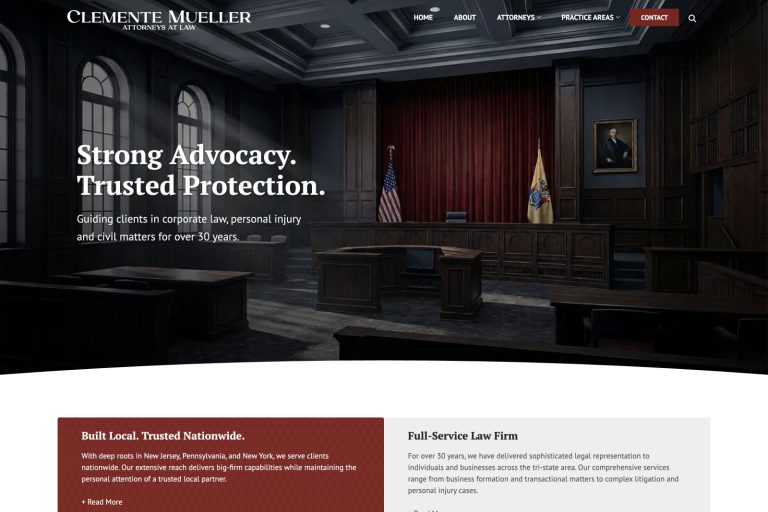
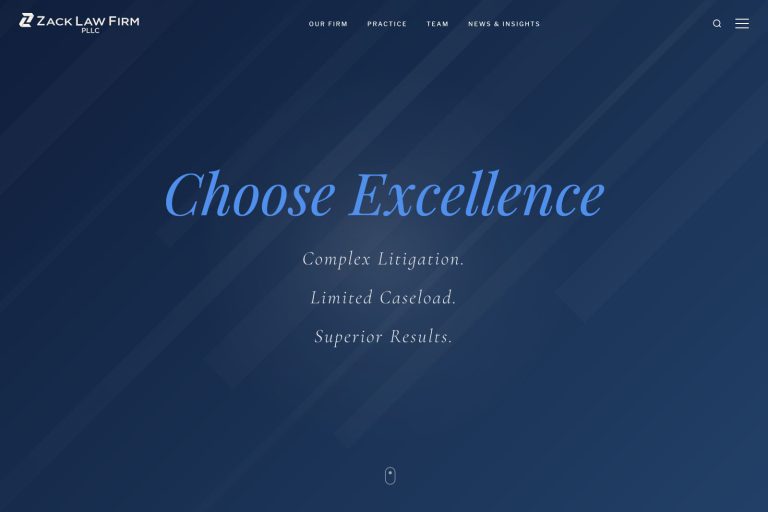
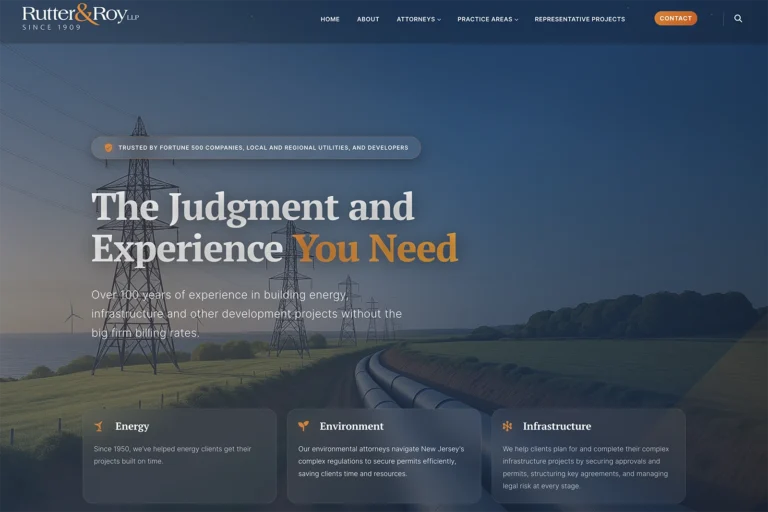
If you’re looking to turn an ambition into a website, you’d be hard pressed to find a better partner than Dan. Throughout the process, Dan was clear, patient and thoughtful. His work took my preferences, ideas and words and shaped them into a thoughtful and compelling website. I could not be more pleased.
Read more client reviews
Content responsibilities are settled before work begins
Content is where website projects often slow down. A design can be ready while a key practice page still has no draft. We avoid that by deciding before work begins which pages the studio will write, which pages the firm will provide, and which existing pages need editing or migration. Those responsibilities become part of the written scope.
Content decisions then move with design decisions. The homepage argument, navigation labels, practice hierarchy, calls to action, attorney bios, proof, and contact path are planned together. The site is never treated as a finished shell waiting for words.
Strategy starts with the work the firm wants
Good legal copy starts with the matters the firm wants more of and the people choosing counsel. A claims professional assessing defense counsel looks for depth, relevant experience, and an efficient route to the right lawyer. A business owner evaluating litigation counsel needs a clear view of industries, disputes, and approach. A mediation site may be read by the attorneys selecting a neutral rather than by the parties themselves.
Discovery turns those distinctions into a page plan. We define the primary audience for each page, the questions it must answer, and the proof the firm can responsibly use. The result is a sitemap and content plan the firm can react to, not a blanket request to “send us your content.”
The site structure defines what each page needs to do
Before drafting, we decide which pages the site actually needs, how they relate, and what should be prominent in navigation. Practices connect to attorneys. Locations and industries appear only where useful. Related pages reinforce one another instead of repeating the same general claims.
More pages are not automatically better. A focused page about a real priority is more useful than a thin page created only to fill a keyword list. The structure leaves room to add practices, people, locations, and insights later without making the launch site feel incomplete.
Writing comes from the firm, even when we draft it
When we write from scratch, the raw material comes from conversations, existing materials, and public sources the firm approves for use. Practice pages explain the matters, clients, jurisdictions, and stages of work in plain language. Attorney bios lead with what the lawyer handles, for whom, and why the lawyer’s background matters, instead of turning a résumé into paragraphs.
Specific language carries more credibility than adjectives. “We defend Oregon employers in workers’ compensation claims, from the first filing through Board appeal” tells a reader what the firm does. “Trusted advocates providing tailored solutions” does not.
The studio leads content strategy, page structure, and editorial direction. The work is informed by legal-industry policy experience, not the practice of law. The firm reviews every substantive draft for accuracy, corrects legal nuance, and approves the final copy before publication. Nothing on the site is presented as legal advice. The background behind that work is explained on the About page.
Strong existing content should survive the redesign
Many firms already have useful practice descriptions, bios, articles, or representative matters. Discovery identifies what should stay, what needs tighter structure, and what no longer reflects the practice.
Content entry and migration are included with the website build. Strong material is edited for clarity and the web, then carried into the new structure. Pages that are consolidated or retired are addressed in the launch redirect plan so useful search history and visitor paths are not ignored.
AI is a drafting tool, not a publishing decision
AI may assist with research, organization, or early drafting when appropriate. It does not replace firm input, source checking, human editing, or attorney approval. The standard is the same regardless of tool: the copy must be specific to the firm, accurate, attributable where needed, and reviewed before it goes live. Our longer analysis explains how we approach AI content for law firms.
Clear headings, internal links, titles, schema, and useful answers also support the on-page SEO included with every website. They help search and answer systems interpret the site, but they do not guarantee rankings or citations. The SEO and AI visibility page explains the website foundation and how ongoing campaign support is handled.
For cost, timing, ownership, and additional practical questions, see the full Content Writing FAQs.
What every website project includes
The content framework below is part of every website build. Original practice pages, attorney bios, firm stories, FAQ libraries, and articles are quoted separately when the firm wants us to draft them.
Content strategy and sitemap
The page plan, hierarchy, navigation, and who will write, supply, or approve each page.
Page framing copy
Primary headings, section headings, introduction lines, and calls to action that give key pages a clear argument.
Calls to action and microcopy
Button labels, form guidance, confirmation messages, and the small instructions that help a visitor move through the site.
Titles, descriptions, and image text
Page titles, meta descriptions, and useful alt text written for the site rather than left to plugin defaults.
Editing of firm-supplied copy
Clarity, structure, consistency, and web formatting for the material the firm provides or already has.
Content entry and migration
The studio loads the approved material into WordPress and carries useful content from the current site into the new structure.
Utility page copy
Thank-you, 404, form, and other supporting-page language that is easy to overlook during a redesign.
How content work runs
Content is planned alongside the design so approved words and approved layouts come together. Timing and attorney time are set by page volume and the writing scope in the quote.
Audit and Discovery
We review the firm’s current material and use discovery and the questionnaire to surface the work, clients, priorities, and language that must be handled carefully.
Content Plan
The sitemap becomes a page-by-page plan showing its audience, purpose, source material, and who will write or supply it.
Drafting Alongside Design
Writing and editing move in batches while the templates are built. An early batch establishes the voice before the rest proceeds.
Review and Approval
The firm corrects factual and legal nuance and approves the final copy. Nothing is published until that approval is clear.
See the full website process and timeline
Not sure which pages your firm should write?
Request a QuoteFrequently asked questions
What content work is included with every website project?
Every build includes the content strategy, sitemap, page responsibility plan, primary headings, calls to action, metadata, alt text, editing of firm-supplied copy, content entry, migration, and utility-page language. Original practice pages, attorney bios, firm stories, FAQ libraries, and articles are added to the written quote when the firm wants us to draft them.
Can our attorneys write some pages while you write others?
Yes. A hybrid plan is common. The sitemap identifies which pages the studio will draft, which pages the firm will provide, and which existing pages need editing. That division is agreed before work begins, so attorneys can focus on the material that requires their voice without becoming responsible for every blank page.
Who reviews the legal accuracy of the copy?
The firm does. The studio leads content strategy and direction. That work is informed by legal-industry policy experience, not the practice of law. Every substantive draft goes to the firm for factual corrections, legal nuance, and final approval. The review is part of the workflow, and nothing is published until the firm has approved it.
Does content writing include ongoing SEO?
The website project includes page structure, headings, internal links, metadata, schema, and the other on-page SEO that belongs in the site. Ongoing campaign strategy, link building, Google Business Profile work, and PPC are separate. When that work makes sense, The studio coordinates with the trusted specialist described on the SEO and AI visibility page.
Start with a quote.
Share the essentials about your firm, where the project stands, and what the website needs to accomplish. Dan Gilroy Design will respond with a clear recommendation on scope, schedule, and likely cost.