

Website Design for Employment Law Firms
Custom websites for employment law firms, with clear pathways for employers, employees, and executives and useful explanations of the matters the firm handles.
Selected employment law firm websites
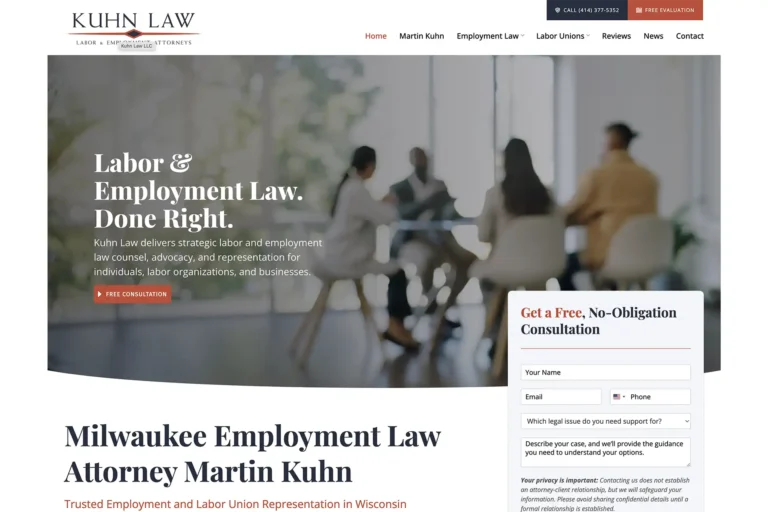
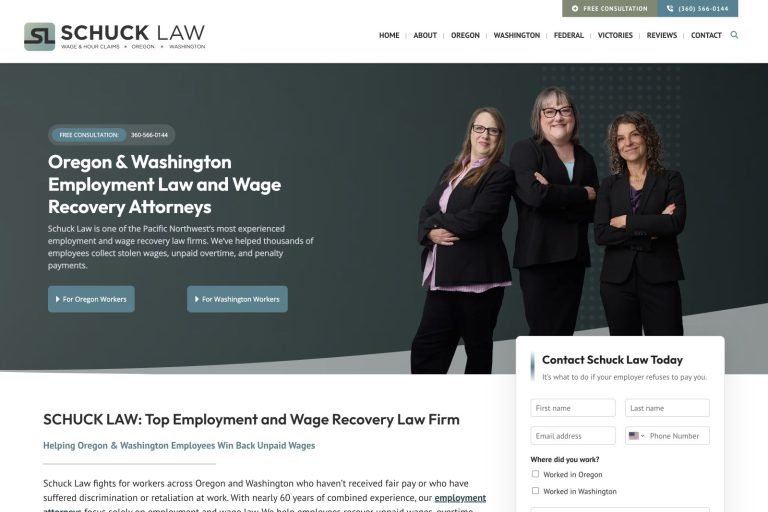

Dan Gilroy is a creative, innovative, talented, collegial and highly skilled web design professional who went above and beyond our firm's marketing and accessibility needs to provide more than we even knew how to request…
Read more client reviews
How an employment law firm website should be structured
Employment law firms do not all serve the same audience. Some advise employers, some represent employees or executives, and some maintain clearly defined work on both sides. The website should state that position early and organize the content so a prospective client does not have to infer whether the firm can help.
Dan Gilroy Design creates custom law firm websites for focused practices and multi-attorney firms. Employment projects require particular care with audience paths, jurisdiction, industry experience, attorney biographies, and the boundary between counseling and litigation work. Firms that primarily advise employers may also share structural needs with a business law firm website.
Should employer and employee services share one website?
They can, but only when the firm genuinely serves both audiences and the division is clear. Separate navigation paths can explain employer counseling, workplace investigations, training, and defense work on one side, and employee or executive representation on the other. If the firm represents only one side, the site should say so plainly rather than suggesting a broader practice.
What information helps a prospective client evaluate the firm?
Visitors need to understand the matters the firm handles, where its attorneys practice, whether it works with employers or individuals, and what relevant experience it can describe. Substantive biographies, carefully selected representative matters, industries served, publications, speaking experience, and attributed testimonials can provide that context without making promises about outcomes.
Confidential inquiries also need an appropriate contact path. Forms should collect only the information the firm needs at that stage, explain that submitting a form does not create an attorney-client relationship, and avoid exposing sensitive facts unnecessarily.
Content and search visibility for employment law firms
Useful practice pages answer the questions the firm’s prospective clients actually ask. They should distinguish materially different services, use descriptive headings, and connect related attorneys and insights. Thin pages created only to repeat a location or keyword weaken the site.
The build includes titles, descriptions, structured data, internal links, indexing readiness, and a technically sound WordPress theme. The content strategy and writing and SEO and AI visibility pages explain the available work in more detail. Rankings are never guaranteed.
How an employment law firm website project works
The scope begins with the firm’s audience, services, attorneys, jurisdictions, content, and existing website. From there, the project moves through a coded initial website, review, testing, and launch.
See the full website design process and timeline
Does your website make it clear whom the firm represents and what work it handles?
Request a QuoteFrequently asked questions
Should an employment law firm separate employer and employee services?
Usually, yes. If the firm represents both audiences, the navigation and page introductions should make the two paths unmistakable. If it represents only employers or only individuals, the site should state that focus directly.
What practice pages should an employment law firm website include?
The answer follows the firm’s actual work. Common subjects include counseling, workplace investigations, wage and hour matters, discrimination, harassment, retaliation, executive agreements, training, and employment litigation. A topic should receive its own page only when the firm can provide useful, specific content.
What should employment attorney biographies include?
Biographies should identify the attorney’s role, jurisdictions, relevant counseling or litigation experience, industries, leadership, publications, and representative work that the firm is permitted to describe. The information should help a client evaluate fit, not merely list credentials.
Can you write or revise employment law website content?
Yes, when writing or substantial editing is included in the proposal. We can plan the sitemap, define page responsibilities, draft or revise content, and migrate approved material. See the content writing page for scope options.
Can an employment law firm website support local search visibility?
Yes. The build includes a sound on-page and technical foundation, including descriptive page titles, internal links, structured data, location signals, and indexing readiness. Continuing SEO and off-page work require a separate scope.
What does an employment law firm website cost?
Cost depends on the number of services and attorneys, content readiness, migration, identity work, and other project requirements. The studio prepares an individual written quote. The pricing page explains how the scope is developed.
Start with a quote.
Share the essentials about your firm, where the project stands, and what the website needs to accomplish. Dan Gilroy Design will respond with a clear recommendation on scope, schedule, and likely cost.