

Website Design for Estate Planning Attorneys
Custom websites for estate planning attorneys and probate firms, with clear service paths, readable explanations, credible biographies, and straightforward contact.
Selected estate planning and probate websites
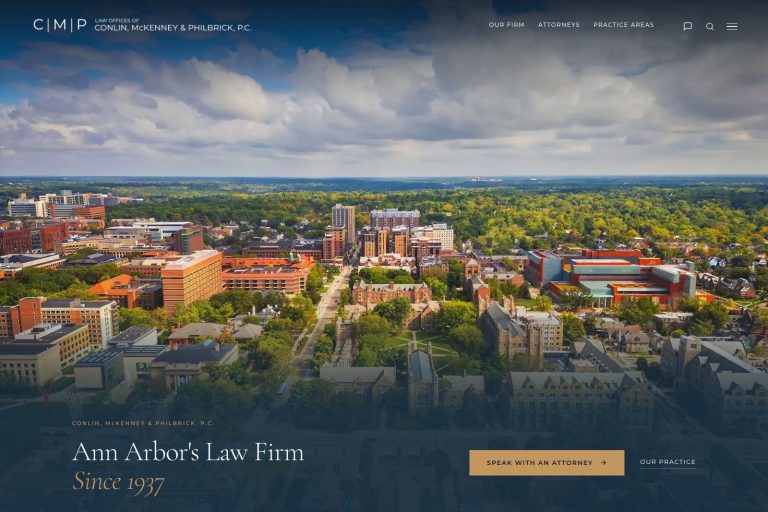
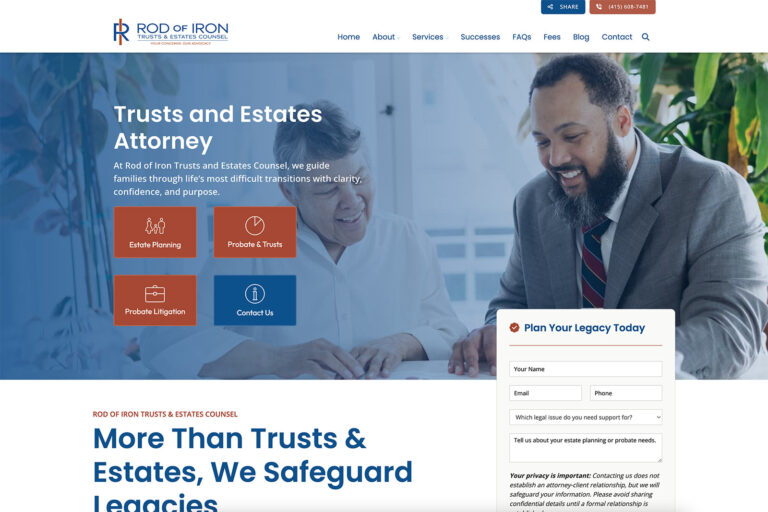

Dan does phenomenal work. As a solo practitioner, I was looking to create a professional online presence, and from our first phone call, I could tell Dan truly gets it. He was responsive to my questions, understood the assignment, and guided me through the process with patience and clarity…
Read more client reviews
What an estate planning attorney website needs to explain
People visit an estate planning website while making consequential decisions for themselves or their families. Others arrive after a death and need help understanding probate or trust administration. The website should identify the services the firm provides, explain who those services are for, and make the next step clear without reducing complicated work to slogans.
Dan Gilroy Design creates custom law firm websites for established firms and solo and small practices. For estate planning attorneys, the work usually begins with service structure, attorney credibility, readable content, and contact options suited to clients who may be comparing several referred firms.
How should estate planning services be organized?
The navigation should reflect the work the firm actually handles. That may include wills, revocable and irrevocable trusts, tax planning, business succession, elder law, guardianships, probate, and trust administration. Related services can be grouped, but materially different client questions deserve separate pages when the firm has the experience and content to support them.
Clear organization helps a visitor distinguish planning from administration and understand whether the firm handles a particular issue. It also gives search engines a more accurate account of the practice than one general services page can provide.
Firms whose work includes business succession or real-property transfers may also need the structural connections described on the business law firm website design and real estate attorney website design pages.
What establishes confidence before a consultation?
Substantive attorney biographies, clear descriptions of the planning process, relevant credentials, representative experience, and carefully presented testimonials help a prospective client evaluate the firm. Accessibility also matters. Estate planning sites often serve older clients and family members using different devices, so readable type, keyboard access, clear contrast, and uncomplicated forms are part of the design rather than optional additions.
Content and search visibility for estate planning firms
An estate planning law firm website should use the language clients use without repeating keywords unnaturally. Page titles, headings, internal links, structured data, location information, and technically sound templates provide the foundation. Our content strategy and writing and SEO and AI visibility pages explain what is included and when continuing specialist work may be appropriate. Rankings are never guaranteed.
How an estate planning website project works
The scope depends on the services, attorneys, content, and existing material the new website needs to carry forward. From there, the project moves through a coded initial website, review, testing, and launch.
See the full website design process and timeline
Does your website make the firm’s services and next steps easy to understand?
Request a QuoteFrequently asked questions
What should an estate planning attorney website include?
It should explain the firm’s planning and administration services, identify the attorneys and their relevant experience, answer common questions, and provide a clear consultation path. The exact page structure should follow the work the firm actually handles.
Can you organize separate pages for trusts, probate, and estate administration?
Yes. We develop a sitemap around the firm’s actual services and the questions prospective clients ask. Distinct services receive their own pages when that structure is useful to clients and supported by substantive content.
Do you write content for estate planning law firms?
Content help can include page planning, drafting, editing, and migration when it is included in the written proposal. The law firm content writing page explains the available scope.
Can an estate planning website support local search visibility?
Yes. The build includes a sound on-page and technical foundation, including titles, descriptions, internal links, structured data, location signals, and indexing readiness. Continuing SEO or off-page work requires a separate scope, and rankings are never guaranteed.
What does an estate planning attorney website cost?
Every project is quoted individually based on the number of pages, content responsibilities, identity work, migration, and other requirements. The pricing page explains how the written quote is developed.
How long does an estate planning website take?
The schedule depends on scope, content readiness, photography or identity work, and the firm’s review availability. The written proposal sets the target schedule, and the process page explains the sequence.
Start with a quote.
Share the essentials about your firm, where the project stands, and what the website needs to accomplish. Dan Gilroy Design will respond with a clear recommendation on scope, schedule, and likely cost.